
Avoid Costly Mistakes on Your Annual 1040 Tax: A Practical Guide for Detail‑Oriented Researchers
The deadline for filing a Form 1040 is looming, and even the most meticulous taxpayers can fall into costly traps. From missed deductions to misfiled schedules, small oversights can trigger audit flags or inflate liability. This article dissects common pitfalls, illustrates real-world scenarios, and offers clear criteria for selecting the right forms and adjustments to keep your tax return both accurate and defensible.
What Is the Core Risk of Inaccurate 1040 Filing?
IRS audits increase by an average of 3 % when returns contain even one glaring error. Beyond penalties, a miscalculated 1040 can invalidate state refunds, delay the processing of credits like the Child Tax Credit, and expose the taxpayer to interest on unpaid balances. The key question for anyone preparing a Form 1040 is: “Which small details carry the most weight for audit risk?”
Which Common Deductions Are Often Misapplied?
Home‑Office Expense Calculations
Many self‑employed filers claim a home‑office deduction without meeting the strict “exclusive use” and “regular, continuous” criteria. To avoid overstatement, calculate the percentage of your home’s square footage that is dedicated to business and document every supporting expense—utilities, rent, or mortgage interest. For example, if a 120‑sq‑ft office occupies 2 % of a 6,000‑sq‑ft home, only 2 % of eligible expenses may be deducted.
Student Loan Interest Timing
Student loan interest is capped at $2,500 per year, but taxpayers may inadvertently report the entire interest paid if a loan was refinanced mid‑year. Cross‑check the IRS Form 1098‑E for the exact amount paid before the refinancing date to ensure compliance with phase‑out thresholds tied to modified adjusted gross income (MAGI).
Charitable Contributions Over 50 % of AGI
Donations that push the deductible total above 50 % of adjusted gross income require additional documentation. Keep itemized receipts, and if your contributions exceed the limit, consider spreading donations over multiple tax years.
When Do You Need to File Supplementary Forms?
Schedule A – Itemized Deductions vs. Standard Deduction
Choosing between the standard deduction ($13,850 for single filers in 2023) and itemized deductions hinges on a simple comparison: sum your potential itemized deductions and compare them to the standard amount. Don’t overlook lesser-known items like casualty losses or medical expenses exceeding 7.5 % of AGI.
Schedule C – Self‑Employment Income
If you earned $400 or more from freelance work, Schedule C becomes mandatory. Failure to file can trigger penalties up to $2,000. Keep a detailed log of mileage, supplies, and home‑office expenses, and consider using a dedicated accounting app to track daily records.
Schedule SE – Self‑Employment Tax
Self‑employment tax (15.3 %) applies to net earnings over $400. Use the “Self-Employment Tax Worksheet” to calculate the correct tax. Skipping this step is a common mistake that results in underpayment and interest.
How to Verify Your Tax Return Before Submission
- Cross‑Reference W‑2 and 1099 Forms – Confirm that income reported matches employer statements. Any discrepancy invites an audit.
- Use the IRS Taxpayer Assistant Tool – This online calculator flags inconsistencies between reported income and deductions.
- Check Your Math – A simple spreadsheet that sums lines and applies tax brackets can reveal arithmetic errors quickly.
- Confirm State vs. Federal Filing Status – States sometimes require different schedules for the same income; mismatched filing can delay refunds.
Why a “Avoid” Sign Matters Even on Paper Tax Forms
In a world where digital filing dominates, the principle behind a simple “Avoid” sign remains unchanged: flag the most common pitfalls. An illustrative warning sign reminds you to double‑check key areas—deductions, credits, and supplemental schedules—before final submission.
What Are the Long‑Term Implications of a Mistake?
Beyond immediate penalties, inaccurate returns can create a pre‑existing audit trail that persists for up to three years. Even if the error is corrected with a timely amendment, the IRS may flag your account for future reviews, leading to increased scrutiny during subsequent filings. For researchers, this risk translates into wasted hours chasing back‑filings and potential loss of grant eligibility if tax compliance is part of a broader financial audit.
Bottom Line: How to Stay One Step Ahead of the IRS
By focusing on high‑impact areas—home‑office calculations, student loan interest, charitable limits—and rigorously verifying each line, you can reduce audit risk and protect your tax liability. A disciplined approach to supplementary forms and a final cross‑check checklist ensures that your 1040 is both accurate and defensible. Remember: the simplest way to avoid costly mistakes is to treat the tax return as a living document, verifying and reconciling each component before the final signature.
Avoid Touching Eye Nose And Mouth - Illustration As EPS 10 File Stock
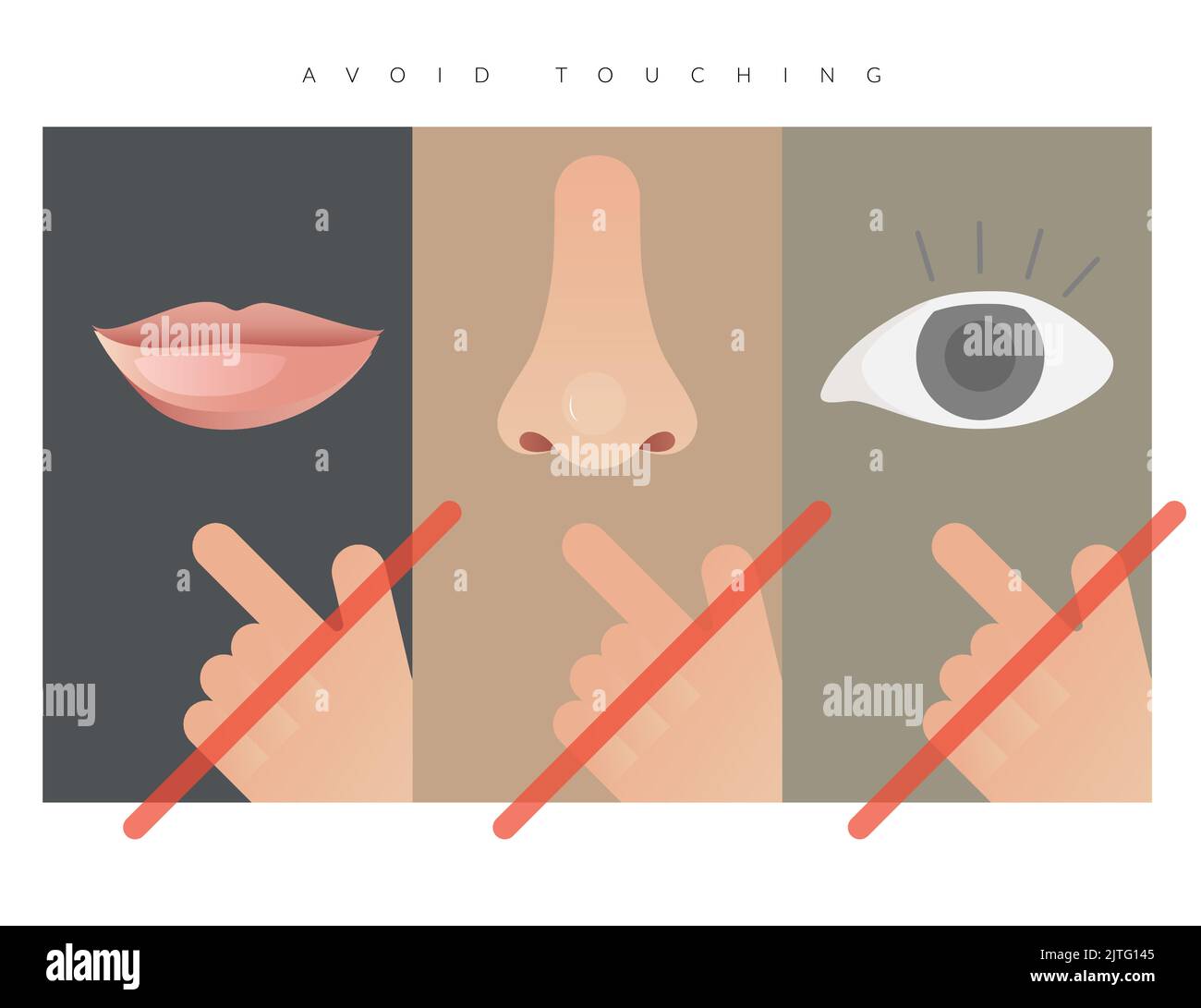
Avoid Touching Eye Nose and Mouth - Illustration as EPS 10 File Stock ...
Avoid In English: Usage, Structure & Examples
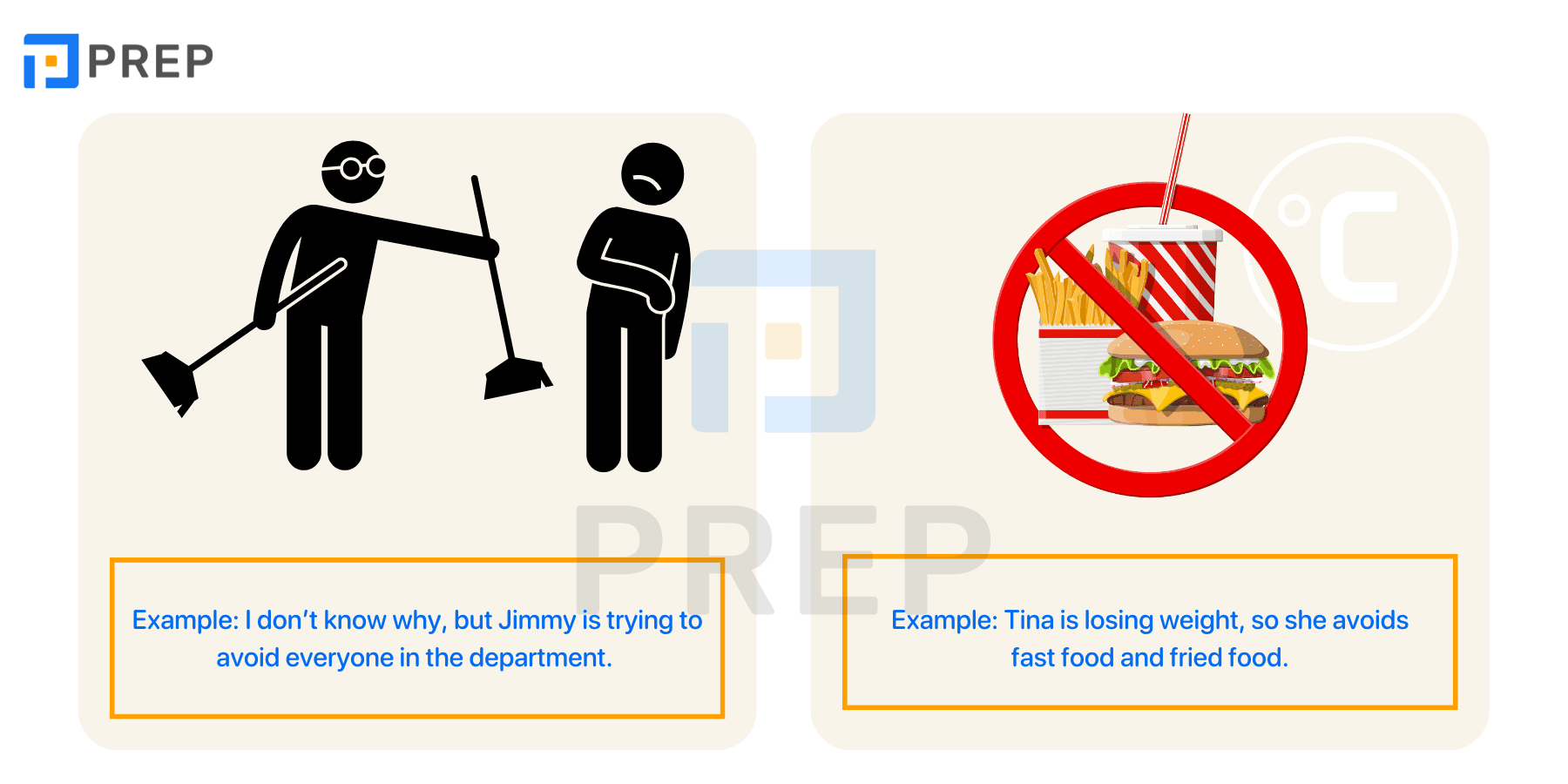
Avoid in English: Usage, Structure & Examples
Avoid — перевод, транскрипция, произношение и примеры

Avoid — перевод, транскрипция, произношение и примеры
Foods To Eat And Avoid During Pregnancy: New Mum's Guide 2024 – WJL

Foods to Eat and Avoid During Pregnancy: New Mum's Guide 2024 – WJL